
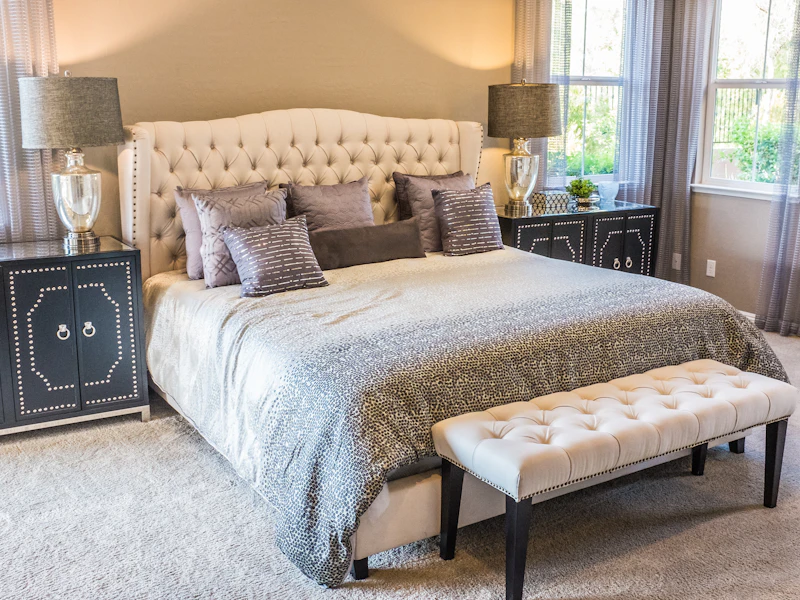
Underlay is the unsung hero of any flooring installation. It sits beneath your floor covering, providing comfort, insulation, and protection for both the floor above and the subfloor below. On wooden floors in particular, the right underlay makes a dramatic difference.
Here is how to choose the best underlay for a wooden floor, whether you are installing carpet, laminate, or vinyl.
Why Underlay Matters on Wooden Floors
Wooden subfloors are prone to draughts, cold, and sound transmission. A good underlay:
- Insulates – reducing heat loss through the floor and cutting your energy bills.
- Comforts – providing a softer, warmer surface underfoot.
- Silences – absorbing impact sound and footsteps, especially on upstairs rooms.
- Protects – evening out minor subfloor irregularities and prolonging the life of the floor covering.
Underlay for Carpet on Wooden Floors
For carpet, the underlay choice depends on the pile type and the room. Heavier, denser underlays such as crumb rubber or fibreboard are best for high-traffic areas and thicker carpets, while a firm foam underlay suits lighter carpets in bedrooms.
Fitting carpet onto wooden floors has one major benefit over solid subfloors: you can fit grippers directly and achieve a tight, professional stretch with a power stretcher.
Underlay for Laminate on Wooden Floors
Laminate on wooden floors needs a thin, dense underlay that also acts as a moisture barrier. Most quality laminate underlays are sold as combi rolls – foam with an integrated vapour barrier. This prevents moisture from the subfloor reaching the laminate and swelling the planks.
For upstairs rooms, look for acoustic laminate underlay designed to reduce the sound of footsteps for the room below.
Underlay for Vinyl and LVT
Rigid-core vinyl (SPC and WPC) often has underlay pre-attached, so no separate underlay is needed. Where it is, use a thin, smooth foam that will not telegraph through the vinyl surface.
Comparing Underlay Types
- Crumb rubber – heavy, dense, and extremely durable. The premium choice for carpet in busy homes. Excellent insulation and sound reduction.
- Foam – light, affordable, and comfortable. Available in a range of densities and thicknesses.
- Fibreboard (cork-like) – firm and stable, ideal under heavier floor coverings.
- Acoustic underlay – engineered specifically for sound reduction in flats and upstairs rooms.
Thickness Matters
Thicker is not always better. Underlay thicker than 12mm can cause carpet to ripple, and it can raise your floor too high at doorways. For most rooms, 8mm to 11mm is the sweet spot for comfort and performance.
Underlay also protects wooden floors during installation – the fitters’ tools never touch the subfloor directly.
Ready to choose your flooring? Book a free home visit and our specialists will bring samples to your door with precise measurements and a no-obligation quote.


No Comments